- Tiny Giant
- Posts
- Charlotte is boring
Charlotte is boring
...or maybe it's just you

Ronnie Njang
March 05, 2026 • Estimated Reading Time: 7 minutes
DEAR CHARLOTTE
Charlotte is in that phase where everyone’s either:
A) Posting their new luxury apartment.
B) Complaining about rent.
C) Saying “there’s nothing to do here.”
D) At a brewery.
Sometimes all four in the same week.
If you’ve ever wondered whether this city is thriving, overpriced, underrated, or just misunderstood, you’re asking the same questions as most people.
Here’s what this week actually says about living here.
CITY PULSE
Rising gas prices & inflation
Sheriff Garry McFadden’s Re-election: In a closely watched Democratic primary, incumbent Sheriff Garry McFadden secured his bid for re-election on March 3, 2026, despite a crowded field of challengers and previous calls for his resignation.
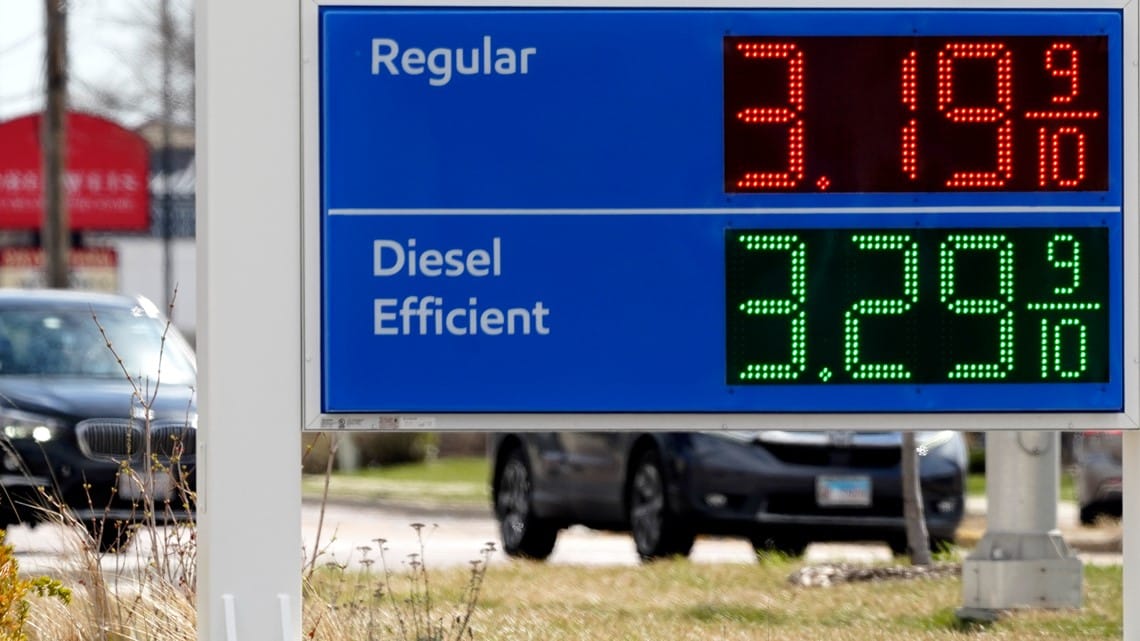
Rising Gas Prices & Inflation: Gas prices in the Charlotte region surged nearly 20 cents in one week following U.S. and Israeli actions against Iran, putting immediate pressure on consumer spending and local inflation.
Corporate Moves & Investments: Despite economic uncertainties, major industrial growth continues, with Siemens Energy announcing expansions in Mecklenburg County and the upcoming 2026 Supplier Matchmaking Expo at the Charlotte Motor Speedway aimed at boosting local manufacturing jobs.
Film Industry Boost: The local film scene is booming, with Netflix filming "The Hunting Wives" in Mooresville, providing a significant boost to the Charlotte-metro economy.
Banking Sector Activity: Bank of America announced a major $2.8 billion redemption of senior notes for March 2026, reflecting active capital management.
POCKET WATCH
Living on $50,000/year
Let’s be real.
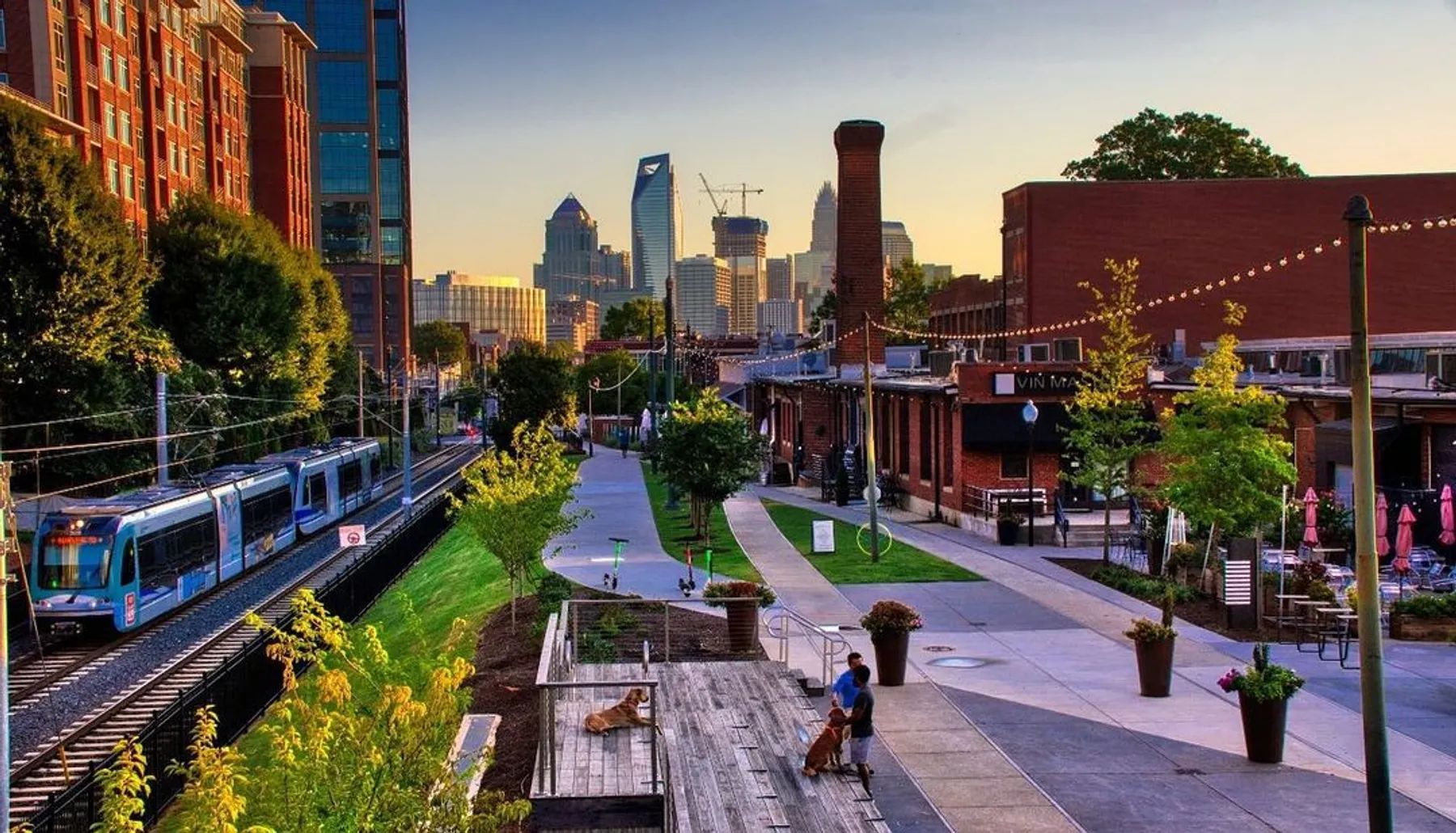
$50,000/year in Charlotte is about $3,300–$3,500/month take-home after taxes (depending on benefits and deductions).
Now let’s run a realistic solo budget.
Option 1: You want your own 1-bedroom in a trendy area.
Rent (South End / newer building): $1,800–$2,100
Utilities + internet: $200
Car + insurance: $500
Groceries: $400
Gas + parking: $200
Going out (lightly): $400
Misc (gym, subscriptions, random life stuff): $300
You’re at roughly $3,800–$4,100/month.
That math doesn’t work. You’re either dipping into savings, using credit cards, or living stressed.
Now let’s adjust.
Option 2: Roommates or older buildings outside the “it” neighborhoods.
Rent: $900–$1,200
Utilities: $150
Car + insurance: $500
Groceries: $400
Gas: $200
Going out: $300
Misc: $300
Now you’re around $2,800–$3,100/month.
That works, barely. You can live. You can go out sometimes. You are not aggressively saving.
Honest takeaway:
At $50K, Charlotte is livable, not luxurious. You don’t get the Instagram version. You get the strategic version:
Roommates.
Older apartments.
Picking your nights out carefully.
Being intentional about lifestyle inflation.
Charlotte is still cheaper than places like New York City or Los Angeles, but it’s no longer cheap.
The city rewards dual incomes and six-figure earners.
At $50K, you can build here — but you have to play it smart and be thrifty.
LIVING IN CHARLOTTE
Plaza Midwood
Energy
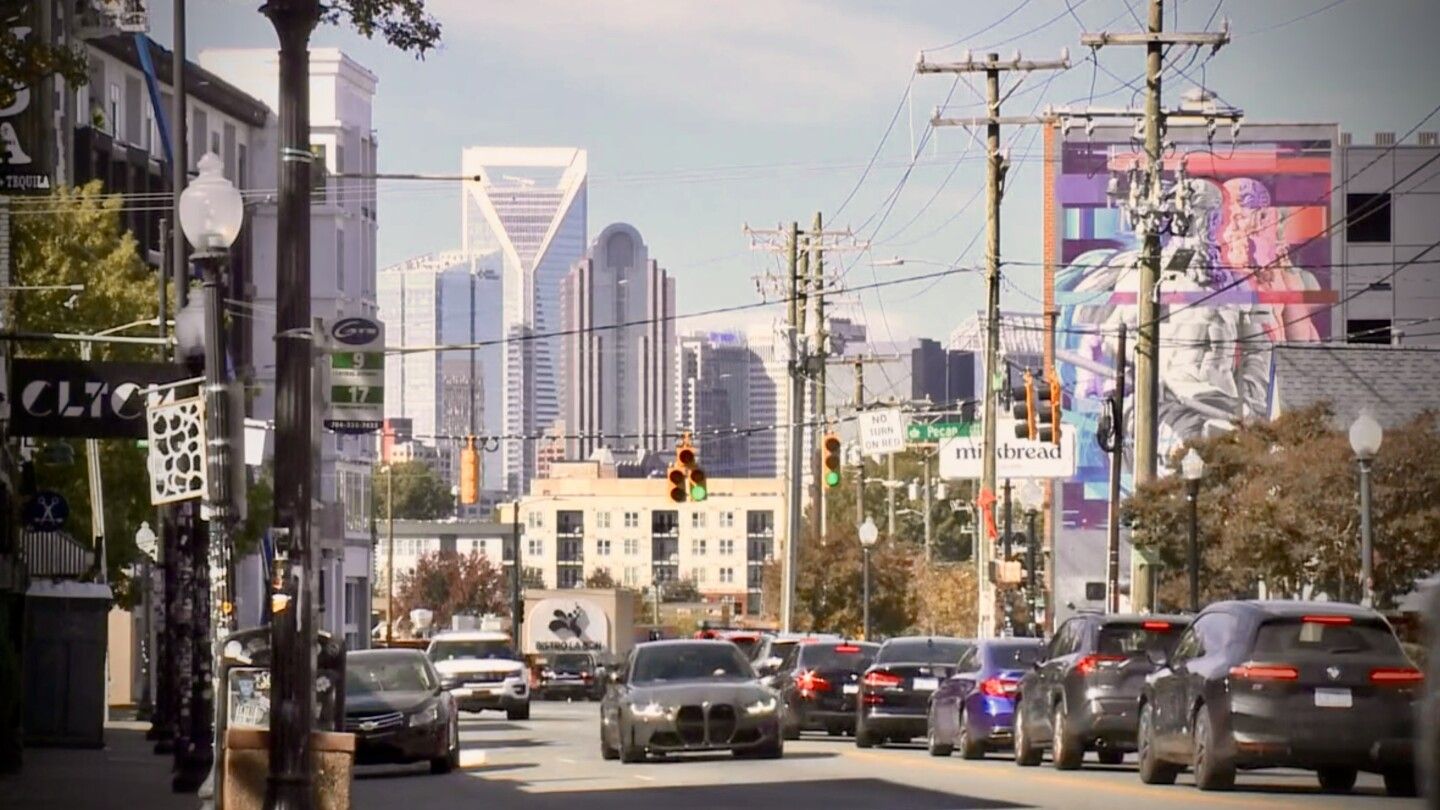
Creative, slightly chaotic, still cool but less curated than South End. If neighborhoods were people, Plaza Midwood would be the friend who’s a little messy but endlessly fun. You know the one who always has an interesting story or a pop-up event happening at their apartment.
Who thrives here
Late 20s–30s.
Creative professionals, tech folks, and people who like a mix of nightlife and local charm.
Anyone who wants to be close enough to downtown to be relevant but doesn’t need to be in the middle of it.
Rent reality
Newer 1-bedrooms: $1,700–$1,900
Older units or slightly off-main streets: $1,200–$1,500
Pro tip: If you don’t want to overpay, look at small buildings tucked behind the main strip — charming, walkable, and often with quirky features (yes, that includes some of the infamous hardwood floors from the 50s).
Tradeoffs
Parking is a gamble. Some streets are great; others, not so much.
Noise varies by street and time of year — live near a bar, and Friday night bass becomes your roommate.
Appreciation potential is solid but not explosive — it’s a safe, steady neighborhood for now.
Insider vibes
Plaza is full of energy if you’re willing to explore. Coffee shops double as mini co-working spaces. Food is eclectic. Murals and street art are everywhere, giving the area a personality that South End can sometimes lack. There’s an undercurrent of creativity, but it’s decentralized. You have to chase it a little, rather than it finding you.
Bottom line
If South End is polished and NoDa is performative, Plaza is the sweet spot. Not too corporate, not too staged, just a place where you can actually make connections and stumble into things you didn’t know existed. For anyone moving to Charlotte or trying to stretch a $50K–$70K salary, it’s doable and still has a pulse.
THE CHARLOTTE NARRATIVE
Charlotte is boring

That’s the claim, but there is a reality to it. Charlotte isn’t boring; it’s just decentralized.
In cities like New York City or Chicago, energy is concentrated. You can trip into culture. Walk outside, and it’s happening around you. Density does the work for you.
Charlotte doesn’t work like that. It’s spread out. Social circles are fragmented. Scenes exist, but they’re pockets:
There’s a brewery crowd.
A banking crowd.
A startup crowd.
A church-heavy crowd.
A fitness crowd.
A transplant-from-the-Northeast crowd.
A “born-and-raised” crowd.
They don’t automatically overlap.
So if you move here expecting the city to sweep you into momentum, you’ll feel underwhelmed. If you treat it like an open sandbox, you build your own gravity.
That means:
Saying yes to random invites.
Going to events alone.
Following up after meeting someone once.
Trying neighborhoods outside your comfort zone.
Creating your own small gatherings instead of waiting for the perfect invite.
Charlotte rewards initiative. It’s not a city that performs for you. It’s a city that responds to you. The people who struggle here wait to be entertained.
The people who thrive here build their own ecosystem, and once they do, the city starts to feel a lot bigger than it looks on paper.
That’s the difference.